
Peterson Field Guide to Eastern Birds: A Comprehensive Plan
This unified guide merges Eastern and Western bird resources‚ boasting 40 new paintings and nearly three hours of video podcasts for enhanced birdwatching experiences.
The Peterson Field Guides (PFG) represent a remarkably influential series of American field guides‚ meticulously designed to empower both amateur naturalists and seasoned observers in the accurate identification of birds‚ plants‚ insects‚ and a diverse range of other natural phenomena.
Roger Tory Peterson pioneered this system‚ recognizing the need for accessible‚ visually-driven resources. His guides moved beyond simple descriptions‚ employing a unique identification system based on key field marks‚ range maps‚ and illustrative depictions. This approach revolutionized birding‚ making it more approachable and scientifically grounded. The system’s enduring popularity stems from its focus on practical application and its commitment to ornithological education‚ continually refining identification techniques.
Roger Tory Peterson and His Impact on Birding
Roger Tory Peterson fundamentally transformed birding from an elite pursuit into a widely accessible hobby. Before his groundbreaking guides‚ bird identification relied heavily on detailed descriptions‚ often proving challenging for beginners. Peterson’s innovative approach centered on visual cues – “field marks” – and comparative illustrations‚ enabling quicker and more confident identifications.
His initial focus on Eastern birds‚ culminating in the first edition of the guide‚ sparked a surge in birdwatching enthusiasm. Peterson didn’t just identify birds; he taught how to identify them‚ fostering a deeper understanding of avian diversity and ecology. His legacy continues to inspire generations of birders and conservationists‚ solidifying his place as a pivotal figure in ornithological history.
The Evolution of the Eastern Bird Guide
The Peterson Field Guide to Eastern Birds didn’t emerge fully formed; it underwent significant evolution. Initial editions focused on a limited range‚ gradually expanding coverage as ornithological knowledge advanced. Subsequent revisions incorporated new species‚ refined illustrations‚ and updated range maps‚ reflecting changing distributions and discoveries.
Each edition built upon the strengths of its predecessor‚ incorporating feedback from birders and ornithologists. The guide’s enduring popularity necessitated continuous updates to maintain its accuracy and relevance. This iterative process‚ culminating in the recent consolidation with the Western guide‚ demonstrates a commitment to providing birders with the most current and comprehensive resource available.
First Edition and Subsequent Revisions
The initial release of the Peterson Field Guide to Eastern Birds revolutionized bird identification. Early editions‚ while groundbreaking‚ were continually refined. Subsequent revisions addressed gaps in coverage‚ improved the clarity of illustrations‚ and incorporated new scientific findings regarding bird taxonomy and distribution.
These updates weren’t merely cosmetic; they reflected a deeper understanding of avian biology. Each new edition aimed to enhance the guide’s usability and accuracy‚ solidifying its position as the gold standard for birders. The commitment to ongoing improvement ensured the guide remained a vital tool for both novice and experienced ornithologists alike.
The Seventh Edition: Key Updates (2008)
The 2008 seventh edition represented a significant leap forward‚ building upon decades of refinement. This iteration incorporated the latest ornithological research‚ updating species accounts and taxonomic classifications. Peterson’s original paintings received digital enhancements‚ reflecting current understanding of plumage variations and identification subtleties.
Crucially‚ range maps were completely revised‚ providing the most accurate distribution information available at the time. The edition also benefitted from updated text‚ ensuring clarity and accessibility for all users. This version‚ alongside the fifth edition of the Western guide‚ continued the Peterson tradition of schematic identification and ornithological education.
Combining Eastern and Western Guides: A Recent Development
A notable shift occurred with the release of a combined volume encompassing both the Eastern and Western bird guides. This consolidation streamlines bird identification across the entirety of North America‚ offering convenience for traveling birders and simplifying resource access. The new edition doesn’t merely merge content; it’s a comprehensive overhaul.
It features approximately three hours of accompanying video podcasts‚ designed to further aid in species recognition. Digital updates to Peterson’s iconic paintings‚ alongside entirely new range maps‚ ensure the guide reflects the most current scientific knowledge. The text itself has been rewritten to cover all U.S. birds‚ solidifying its role as a definitive resource.
Key Features of the Guide
The Peterson Field Guide distinguishes itself through several core elements. Foremost is the inclusion of forty newly commissioned paintings‚ enhancing visual identification. Complementing these are extensive digital updates applied to Peterson’s original artwork‚ reflecting the latest ornithological understanding. Crucially‚ all range maps have been completely revised‚ providing the most accurate distributional data available.
Beyond visuals‚ the guide boasts a fully rewritten text section‚ now encompassing all bird species found within the United States. Nearly three hours of supplementary video podcasts further enrich the learning experience‚ making bird identification more accessible. This combination of traditional and modern resources defines its utility.
The Peterson Identification System™
Roger Tory Peterson’s revolutionary identification system remains central to this guide’s effectiveness. It moves beyond simple descriptions‚ emphasizing a schematic approach focused on key field marks. This method directs observers to notice distinctive features – size‚ shape‚ color patterns‚ and behavior – rather than attempting to memorize every detail.
Arrows and lines are strategically employed to draw attention to crucial identification points‚ facilitating quick comparisons. The system encourages a step-by-step process of elimination‚ narrowing down possibilities based on observed characteristics. This innovative technique‚ refined over decades‚ continues to be a cornerstone of modern birding‚ empowering both novice and experienced enthusiasts.

Field Marks and Their Importance
Precise observation of field marks is paramount for accurate bird identification‚ and the guide meticulously details these crucial features. These include characteristics like the shape of the bill‚ the color and pattern of the belly and breast‚ and distinctive markings on the crown and around the eye-ring.
Noting the presence of a rufous rump or specific color variations – brownish‚ buff‚ or grayish – can be decisive. The guide stresses that even subtle details‚ like a mottled neck or a paler shade‚ can differentiate similar species. Mastering field mark recognition‚ coupled with the Peterson Identification System™‚ unlocks confident identification skills.

Range Maps and Distribution
Accurate range maps are integral to bird identification‚ illustrating where species are typically found during different seasons. The updated guide features all-new maps reflecting the most current understanding of bird distribution across the U.S.‚ crucial for identifying potential vagrants.
Understanding a species’ typical HABITAT and seasonal movements – whether it’s a common resident‚ a fall/winter visitor‚ or a breeding species – narrows down possibilities. These maps aid in determining if a sighting is expected or represents a casual vagrant‚ like an unusual American Robin observation outside its normal range.
Bird Families Covered in the Guide
The Peterson Field Guide comprehensively covers a vast array of avian families found in eastern and central North America. Key groups include the diverse Passerines (perching birds)‚ essential for backyard birding‚ and the striking Waterfowl – Ducks‚ Geese‚ and Swans‚ including DABBLING DUCKS and MERGANSER.
Powerful Raptors like the HAWK‚ specifically the Red-tailed Hawk and Buteo species‚ are also detailed. Beyond these‚ the guide includes Marsh Birds like the Gallinule‚ shorebirds like the Plover and Lesser Yellowlegs‚ and even more specialized groups such as Grebe and Phalarope.
Passerines (Perching Birds)
Passerines‚ representing a significant portion of eastern birdlife‚ receive extensive coverage within the guide. This diverse order includes familiar backyard visitors like the American Robin‚ showcasing detailed illustrations of varying ages‚ sexes‚ and plumage stages – from first-fall to breeding plumage.
The guide also tackles identification challenges within passerines‚ notably with Oriole species and complex groups like Gulls. Detailed notes on Bushtit identification are included‚ alongside descriptions of subtle plumage variations and the importance of observing field marks for accurate identification in this abundant bird family.
Waterfowl: Ducks‚ Geese‚ and Swans (DABBLING DUCKS‚ DUCK‚ Goose)
Waterfowl sections within the guide meticulously detail Dabbling Ducks‚ various Duck species‚ and Geese found across eastern North America. Illustrations highlight key identification features‚ including plumage distinctions between male and female birds‚ and variations in breeding versus non-breeding plumage.
The guide also addresses the complexities of identifying different merganser types and other waterfowl. Updated range maps accurately reflect current distribution patterns‚ aiding in species confirmation. Careful attention is given to distinguishing subtle differences in bill shape and coloration‚ crucial for accurate waterfowl identification in the field.

Raptors: Hawks‚ Falcons‚ and Owls (HAWK‚ Red-tailed Hawk‚ Buteo)
Raptor coverage focuses on identifying hawks‚ including the widespread Red-tailed Hawk and other Buteo species. The guide emphasizes recognizing variations in plumage‚ particularly first-fall and first-winter birds‚ which can present identification challenges. Detailed descriptions of field marks‚ such as belly bands and rufous rump coloration‚ are provided.
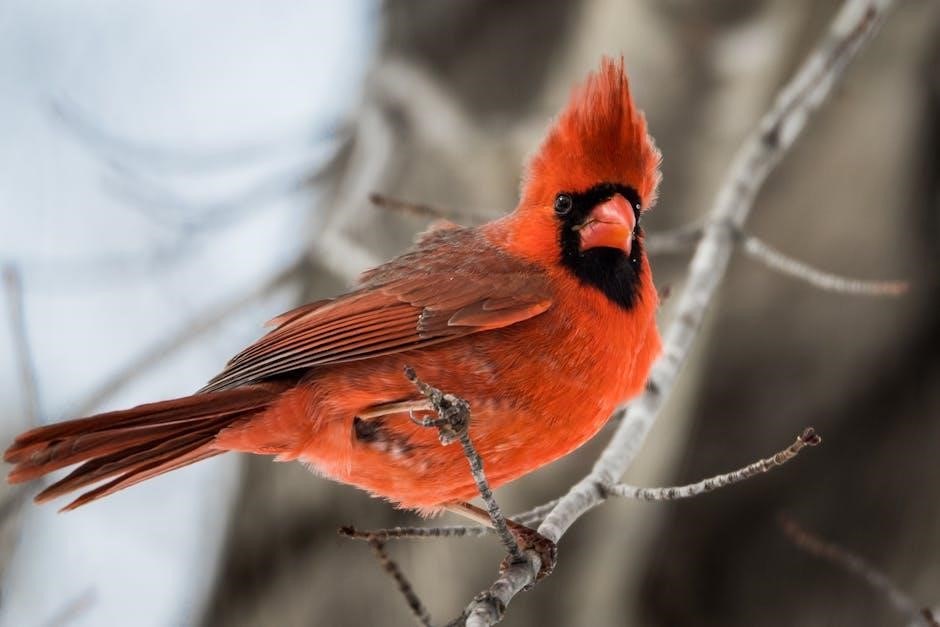
Illustrations showcase the subtle differences between similar species‚ aiding in accurate identification. Range maps depict current distribution‚ and text notes key behavioral characteristics. The guide assists birders in differentiating between light and dark morph individuals‚ enhancing identification skills in diverse habitats.
Specific Bird Identification Highlights
The guide provides focused attention on notoriously difficult identifications‚ like gulls‚ oriole species‚ and hummingbirds. Detailed analysis of American Robin variations – considering ages‚ sexes‚ and plumage – is included. Recognizing breeding plumage versus first-fall and first-winter variations is crucial‚ and the guide offers clear visual comparisons.
Challenges in identifying female and first-year birds are addressed with specific field mark descriptions. The text highlights subtle differences in coloration – brownish‚ buff‚ or grayish – aiding accurate species determination. Understanding these nuances is key to successful bird identification in the field.
American Robin: Ages‚ Sexes‚ and Plumage
The guide meticulously details American Robin identification‚ acknowledging variations based on age and sex. Juvenile birds exhibit spotted breasts‚ differing significantly from the rich reddish-orange of adults. First-fall and first-winter plumage present unique challenges‚ often displaying mottled or incomplete coloration.
Female robins generally show a duller‚ less vibrant hue compared to males. Careful observation of the belly and breast coloration is essential. Recognizing these subtle differences‚ alongside understanding seasonal plumage changes‚ is crucial for accurate field identification. The guide provides visual aids to navigate these complexities.
Oriole Identification
Oriole identification‚ as detailed in the guide‚ requires attention to subtle plumage details. Male Baltimore Orioles display vibrant orange and black patterns‚ while females exhibit a more subdued yellowish-orange and grayish coloration. Recognizing these sex-specific differences is paramount.
The guide emphasizes noting the shape and color of the bill‚ as well as observing any blackish markings on the head and breast. Variations in plumage can occur‚ particularly in younger birds. Careful consideration of range and habitat further aids accurate identification in the field‚ distinguishing them from similar species.
Gull Identification Challenges
Gull identification presents significant hurdles for birders‚ even experienced ones‚ due to extensive plumage variations across ages and sexes. The Peterson guide acknowledges this complexity‚ highlighting the importance of observing multiple field marks;
Factors like breeding versus non-breeding plumage‚ first-fall and first-winter appearances‚ and subtle differences in bill shape and leg color are crucial. The guide stresses careful attention to gray‚ brownish‚ and blackish markings‚ alongside noting the extent of rufous rump coloration. Considering range and habitat also narrows possibilities.
Hummingbird Identification
Hummingbird identification‚ though visually rewarding‚ demands keen observation due to their rapid movements and subtle distinctions. The Peterson guide emphasizes noting gorget (throat patch) coloration – buff‚ brown‚ or iridescent shades – as a primary identifier.
Careful attention to bill shape‚ tail patterns‚ and overall size is also vital. Observing plumage details‚ even slight variations in gray or dusky tones‚ can be key. The guide highlights the importance of considering habitat; certain species favor specific flowers and environments. Recognizing female and immature plumage‚ often less vibrant‚ is crucial for accurate identification.
Understanding Plumage Variations
Plumage isn’t static; it shifts dramatically with age‚ sex‚ and season. The Peterson guide meticulously details these changes‚ crucial for accurate identification. Breeding plumage often displays vibrant‚ contrasting colors‚ while first-fall and first-winter birds exhibit more subdued‚ mottled patterns.
Distinguishing female and first-year birds can be challenging‚ as they frequently lack the bright coloration of adult males. Recognizing subtle differences in brownish or grayish tones‚ and noting the presence of rufous rump patches‚ are key skills. Understanding these plumage variations unlocks accurate species identification‚ even with incomplete observations.
Breeding Plumage
Breeding plumage represents a bird’s most striking appearance‚ developed under hormonal influence for attracting mates and establishing territories. The Peterson guide emphasizes recognizing these seasonal shifts‚ noting intensified coloration and distinct patterns. Males often showcase vibrant blackish or brown hues‚ alongside brighter patches – a rufous rump‚ for example – absent during other times of the year.
Females‚ while often less flamboyant‚ may also exhibit subtle changes. Careful observation of breeding plumage details‚ like the intensity of grayish tones or the presence of buff markings‚ is vital for correct species identification during the nesting season.

First-Fall and First-Winter Plumage
First-fall and first-winter plumage present significant identification challenges‚ as young birds exhibit mottled‚ incomplete feathering. The Peterson guide dedicates attention to these transitional phases‚ highlighting the often duller and brownish appearance compared to adults. Juvenile birds may display mottled neck patterns and retain first-year feathers for extended periods.
Distinguishing features include variations in grayish tones and the presence of retained juvenile plumage mixed with newly grown adult feathers. Recognizing these subtle cues‚ alongside noting the bird’s overall size and shape‚ is crucial for accurate identification‚ especially in species like gulls and warblers.
Female and First-Year Plumage
Female and first-year plumage often deviates significantly from the vibrant breeding plumage of adult males‚ presenting unique identification hurdles. The Peterson guide emphasizes these differences‚ noting that females and immature birds frequently exhibit duller coloration‚ often appearing brownish or grayish. These variations are crucial for accurate species determination.
Identifying features include a lack of bright coloration‚ subdued patterns‚ and sometimes‚ a more mottled appearance. Careful observation of bill shape‚ belly markings‚ and overall structure becomes paramount when encountering these less conspicuous plumages‚ particularly in species like orioles and warblers.
Habitat and Behavior Information
Habitat preferences are meticulously detailed within the Peterson guide‚ recognizing that birds aren’t randomly distributed. Descriptions cover preferred environments‚ ranging from expansive marshes – key for Gallinule sightings – to dense forests and open fields. Understanding a species’ typical HABITAT dramatically narrows identification possibilities.
Behavioral notes complement habitat descriptions‚ detailing foraging strategies‚ social interactions‚ and vocalizations. The guide highlights how observing a bird’s actions – its feeding style‚ flight pattern‚ or perch selection – provides vital clues. This holistic approach‚ combining location and behavior‚ is central to the Peterson system’s success.
HABITAT and Preferred Environments
The Peterson Field Guide meticulously details HABITAT‚ recognizing bird distribution isn’t random. Descriptions span diverse environments – from the expansive marshes favored by Gallinule‚ to woodlands‚ grasslands‚ and suburban areas. Knowing a species’ typical environment significantly aids identification.
The guide emphasizes that understanding preferred environments extends beyond broad classifications. It notes microhabitats – specific features within a larger habitat – that attract certain species. For example‚ detailing preferences for specific tree types or proximity to water sources. This nuanced approach empowers birders to predict where to find target species‚ enhancing observation success.
Marsh Birds (Gallinule)
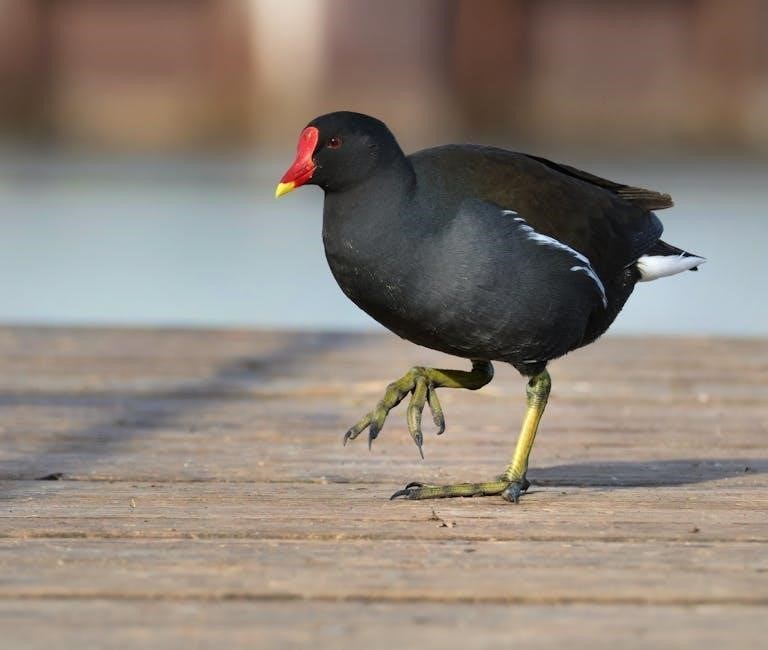
The Peterson Field Guide provides detailed coverage of marsh birds‚ with specific attention to the Gallinule. It highlights key identification features‚ noting its distinctive red and yellow bill‚ and slate-gray plumage. The guide clarifies potential confusion with similar species‚ emphasizing subtle differences in size‚ shape‚ and behavior.
HABITAT information is crucial; Gallinules inhabit freshwater marshes‚ often concealed within dense vegetation. The guide details their foraging habits – picking vegetation and invertebrates from the water’s surface; It also covers vocalizations‚ aiding identification by ear. Understanding these nuances allows birders to confidently identify Gallinules within their wetland environments.
Migratory Patterns and Seasonal Changes (fall/winter)
The Peterson Field Guide meticulously details fall/winter movements of Eastern birds. Range maps illustrate shifting distributions as species respond to temperature changes and food availability. Many passerines and waterfowl undertake long-distance migrations‚ seeking warmer climates and reliable resources.
The guide explains how plumage variations can occur during these seasonal transitions. First-fall and first-winter birds often exhibit different markings than adults. Observing these changes is vital for accurate identification. Understanding these seasonal changes and migratory patterns enhances birding skills and appreciation for avian adaptations.
Using the Guide Effectively
Maximize your birding success with the Peterson Field Guide’s innovative features. Begin by mastering the Peterson Identification System™‚ focusing on field marks like bill shape‚ belly patterns‚ and the rufous rump. Utilize the detailed range maps to narrow possibilities based on location.
Supplement your field observations with the included digital updates and video podcasts‚ offering insights into identification challenges. Be prepared for accidental vagrants – birds outside their typical range – and consult resources like Birds of North America for comprehensive information. Practice consistently to refine your skills!
Digital Updates and Video Podcasts
Enhance your birding experience with the guide’s cutting-edge digital components. Digital updates to Peterson’s original paintings reflect the latest ornithological knowledge‚ ensuring accurate identification. These revisions incorporate new understandings of plumage variations and subtle distinctions between similar species.
Furthermore‚ nearly three hours of accompanying video podcasts provide invaluable visual aids and expert guidance. These resources demonstrate identification techniques‚ showcase bird behavior‚ and address common challenges‚ like distinguishing tricky gulls or hummingbirds. Accessing these tools elevates the guide beyond a static resource.

Identifying Accidental Vagrants (Casual vagrant‚ American Robin)
Birding often presents exciting surprises – accidental vagrants‚ birds found far outside their typical range. The guide prepares you for these encounters‚ crucial for expanding your knowledge. Recognizing these “casual vagrants” requires careful observation and comparison to expected species.
For example‚ an American Robin sighted in an unusual location demands scrutiny. Is its plumage typical? Are there subtle differences suggesting a western subspecies? The guide emphasizes considering ages‚ sexes‚ and regional variations. Careful attention to field marks and range maps is vital for confirming these rare sightings.
Resources for Further Learning (Birds of North America)
Expanding your birding expertise extends beyond the field guide itself. The “Birds of North America” (BNA) series provides in-depth life history accounts‚ offering detailed information on each species’ behavior‚ ecology‚ and conservation status. This resource complements the Peterson guide’s visual identification aids with comprehensive scientific data.
Digital updates and the availability of BNA in PDF format enhance accessibility. Peterson Field Guide to Birds of North America (2008) serves as a valuable companion‚ consolidating knowledge. Exploring these resources fosters a deeper understanding of avian biology and contributes to informed bird conservation efforts‚ building upon the Peterson tradition.
Appendix: Common Field Marks (bill‚ belly‚ breast‚ crown‚ eye-ring‚ rufous rump)
Mastering bird identification relies on recognizing key “field marks;” The bill’s shape indicates feeding habits‚ while belly and breast patterns offer crucial clues. Note the crown’s color and any distinct eye-ring presence. A rufous rump‚ often overlooked‚ aids in swift identification‚ especially during flight.
Plumage details – like blackish or brownish tones – are vital. Observing these features‚ alongside habitat and behavior‚ allows accurate species determination. Consistent practice with these marks‚ as emphasized in the Peterson system‚ transforms observation into confident identification‚ enhancing your birding skills.
Color Variations (brown‚ brownish‚ buff‚ gray‚ grayish‚ mottled neck‚ paler‚ dark morph‚ duller‚ dusky)
Bird plumage exhibits remarkable variation. Shades range from rich brown and brownish hues to softer buff and cool gray or grayish tones. A mottled neck can be a key identifier‚ while some birds appear paler or exist in a dark morph.
Seasonal changes and individual differences cause plumage to be duller or dusky. Recognizing these nuances is crucial‚ as color isn’t always consistent. Peterson guides emphasize careful observation of these subtle shifts‚ aiding accurate identification even with variations.
Additional Species Notes (Bushtit‚ Lesser Yellowlegs‚ Phalarope‚ PLOVER‚ Grebe)

Specific species often present unique identification challenges. The Bushtit‚ with its communal nesting‚ requires attention to flock behavior. Lesser Yellowlegs and Phalarope identification hinges on leg color and bill shape. Plover species demand careful observation of plumage details and habitat.
Grebes‚ often found in marshes‚ can be tricky due to similar appearances. Peterson guides provide detailed notes on these species‚ highlighting key field marks and behavioral cues for confident identification in diverse environments. Recognizing these nuances elevates birding skills.
For generations‚ Peterson Field Guides have been the cornerstone of bird identification‚ fostering a deeper connection with the natural world. Roger Tory Peterson’s innovative system‚ emphasizing field marks and distribution‚ revolutionized birding. The continued refinement and expansion of these guides‚ like the combined Eastern/Western edition‚ demonstrate their enduring relevance.
Digital updates and video resources further enhance accessibility‚ ensuring the Peterson legacy thrives. These guides aren’t merely identification tools; they are pathways to ornithological education‚ inspiring countless individuals to explore and appreciate avian biodiversity.